Project Management
Effective project management ensures that the work is completed on time and within budget. This involves coordinating schedules, overseeing progress, and addressing any issues that arise.
Quality Control
Maintaining high standards throughout the project is essential. Regular quality checks help ensure that the work meets the design specifications and your expectations.
Completion and Handover
The final phase is the completion and handover. This is where you get to see your vision come to life.
Final Walkthrough
During the final walkthrough, you'll inspect the finished space with your designer to ensure everything is as it should be.
Addressing Snags
It's common to have a few minor issues or "snags" to address. Your designer will work with you to resolve these before the project is officially complete.
Client Feedback
Your feedback is invaluable. Sharing your thoughts and experiences helps your designer to improve their services and ensures you're fully satisfied with the end result.
Conclusion
The interior design process is a collaborative journey that transforms ideas into beautiful, functional spaces. By understanding each step, from the initial consultation to the final handover, you can navigate your project with confidence and enjoy the transformation of your space. Read about the best Interior Designer Service Near Me. So, are you ready to bring your vision to life? Let's get started!
How Interior Designers Stay Up-to-Date with the Latest Trends and Techniques
Staying current with the latest trends and techniques is crucial for interior designers. With design being a dynamic field, keeping up-to-date ensures designers can meet client expectations and maintain a competitive edge. This article delves into the various ways interior designers stay informed and continually enhance their skills.
Introduction
Interior design is an ever-evolving field where trends and techniques shift rapidly. For designers, staying abreast of these changes is not just beneficial-it's essential. Whether it's incorporating the latest color palettes, understanding new technologies, or adopting innovative design philosophies, being in the know sets top-tier designers apart from the rest.
Understanding the Importance of Staying Current
Keeping up with trends and techniques is more than just a professional requirement. Real Estate Stager It's about meeting client expectations and staying competitive. Clients today are well-informed and often look for designers who can bring fresh, modern ideas to their projects.
Client Expectations
Today's clients are savvy and informed. They have access to endless design inspiration via social media, blogs, and television. They expect their designers to offer the latest styles and solutions that reflect current trends. Staying current helps designers exceed these expectations.
Competitive Edge
In a competitive market, having up-to-date knowledge can be the deciding factor for potential clients. Designers who are familiar with the latest trends and techniques can offer innovative solutions that set them apart from those who rely on outdated methods.
Continuous Education
Learning never stops for interior designers. Continuous education is key to staying updated with industry changes and advancements.
Professional Courses and Certifications
Many designers take advantage of professional courses and certifications to deepen their knowledge and stay current. Institutions and online platforms offer a plethora of courses that cover everything from new design software to sustainable design practices.
Workshops and Seminars
Attending workshops and seminars is another way designers keep their skills sharp. These events often feature industry experts who share insights on the latest trends and techniques, providing valuable hands-on experience.
Networking and Industry Events
Networking is a powerful tool for staying current. Industry events such as trade shows, exhibitions, and conferences offer a wealth of information and networking opportunities.
Trade Shows and Exhibitions
Trade shows and exhibitions showcase the latest products, materials, and trends in the design world. They provide a platform for designers to see firsthand what's new and exciting in the industry.
Professional Associations
Joining professional associations gives designers access to resources, networking opportunities, and industry events that are invaluable for staying current.
Leveraging Technology
Technology plays a significant role in how designers stay current. From advanced design software to virtual reality, technology offers tools that help designers stay ahead of the curve.
Design Software and Tools
Modern design software and tools are constantly evolving, offering new functionalities and capabilities. Staying proficient with these tools allows designers to create innovative and efficient designs.
Virtual Reality and Augmented Reality
VR and AR are revolutionizing the design industry by allowing designers to create immersive experiences. These technologies help designers present their ideas in a more engaging and realistic manner.
Online Resources and Publications
The internet is a treasure trove of information for designers. Online resources and publications provide endless inspiration and updates on the latest trends.
Blogs and Websites
Blogs and websites dedicated to interior design offer a constant stream of fresh content. They cover everything from trend forecasts to project showcases, helping designers stay inspired and informed.
Social Media and Influencers
Social media platforms like Instagram and Pinterest are gold mines for trend spotting. Influencers and design accounts often share the latest trends, innovative ideas, and even tutorials.
Trend Forecasting
Forecasting future trends is a strategic way to stay ahead. By consulting trend forecasting agencies and analyzing market data, designers can anticipate upcoming trends and incorporate them into their projects.
Consulting Trend Forecasting Agencies
Trend forecasting agencies specialize in predicting future trends based on data and analysis. Designers often consult these agencies to gain insights into what will be popular in the coming years.
Analyzing Market Data
Designers also analyze market data to understand trends. Sales data, consumer behavior, and industry reports provide valuable information that helps designers predict and adapt to changes in the market.
Collaborating with Other Designers
Collaboration is a fantastic way to stay current. By working with peers, designers can share knowledge, experiences, and insights.
Peer Groups and Forums
Joining peer groups and online forums allows designers to discuss trends, share experiences, and gain feedback from others in the industry. These interactions can spark new ideas and keep designers motivated.
Co-Working Spaces
Co-working spaces often host a variety of professionals, including other designers. These spaces foster collaboration and creativity, providing opportunities to learn from one another.
Practical Application and Experimentation
Hands-on experience is one of the best ways to stay current. Experimenting with new techniques and applying them in real-world projects helps designers refine their skills.
Trial and Error
Experimenting with new ideas and techniques often involves trial and error. This process allows designers to discover what works and what doesn't, leading to better, more innovative designs.
Client Feedback
Listening to client feedback is crucial. It provides insights into what clients want and helps designers adjust their approaches to meet those expectations.
Conclusion
Staying up-to-date with the latest trends and techniques is essential for interior designers. It requires a commitment to continuous learning, networking, leveraging technology, and practical application.
The Importance of Certifications and Credentials for Interior Designers
Introduction
In the world of interior design, creativity and vision are just part of the equation. To stand out and gain client trust, certifications and credentials are crucial. These formal acknowledgments not only validate your skills but also set you apart in a competitive market. In this article, we'll delve into why these qualifications matter and how they can propel your career forward.
What Are Interior Design Certifications and Credentials?
Definition of Certifications
Certifications in interior design are formal recognitions awarded by professional organizations. Commercial Designer They signify that a designer has met specific standards of excellence and competency in their field.
Definition of Credentials
Credentials, on the other hand, encompass a broader spectrum, including degrees, licenses, and other professional achievements that affirm a designer's qualifications and expertise.
Why Are Certifications and Credentials Important?
Professional Recognition
Earning certifications and credentials brings a level of professional recognition that is hard to achieve otherwise. It signals to employers and clients that you are serious about your profession and have the expertise to back it up.
Client Trust and Confidence
Clients are more likely to trust and hire designers who have proven credentials. These qualifications serve as a testament to your knowledge and reliability, fostering confidence in your abilities.
Skill Verification
Certifications and credentials verify your skills and knowledge. They provide a benchmark against which your abilities can be measured, ensuring you meet industry standards.
Types of Interior Design Certifications and Credentials
NCIDQ Certification
The National Council for Interior Design Qualification (NCIDQ) certification is one of the most respected in the industry. It covers a broad range of knowledge and skills, from building codes to design application.
LEED Accreditation
LEED (Leadership in Energy and Environmental Design) accreditation focuses on sustainable building practices. It is ideal for designers who are passionate about eco-friendly and sustainable design.
WELL Certification
WELL certification is all about health and wellness in building design. It emphasizes creating spaces that enhance the health and well-being of occupants.
State-Specific Licenses
Some states require interior designers to hold specific licenses to practice. These licenses ensure that designers adhere to state regulations and standards.
The Process of Getting Certified
Education Requirements
Most certifications require a combination of education and work experience. Accredited interior design programs provide the foundational knowledge needed to pursue these qualifications.
Examination Process
Passing a comprehensive exam is often a key component of earning a certification. These exams test your knowledge and skills across various aspects of interior design.
Continuing Education
To maintain certifications, designers must engage in continuing education. This ensures they stay current with industry trends and advancements.
Benefits of Holding Certifications and Credentials
Career Advancement
Certifications can open doors to higher-level positions and more challenging projects. They are often a prerequisite for roles with greater responsibility and influence.
Networking Opportunities
Being part of professional organizations that offer certifications provides networking opportunities. Interior Design Association These connections can lead to new clients, collaborations, and career opportunities.
Higher Earning Potential
Designers with certifications and credentials typically command higher salaries. Their proven expertise and qualifications justify higher fees for their services.
Challenges in Obtaining Certifications and Credentials
Time Commitment
Pursuing certifications requires a significant time investment. Balancing study, work, and personal life can be challenging.
Financial Costs
The cost of education, exam fees, and continuing education can add up. However, many see it as a worthwhile investment in their career.
Keeping Up with Industry Changes
The interior design industry is constantly evolving. Staying up-to-date with new standards and practices is essential for maintaining certifications.
Case Studies: Success Stories
Jane Doe's Journey to NCIDQ Certification
Jane Doe, an established interior designer, found her career taking off after obtaining her NCIDQ certification. The process was rigorous, but it opened up new opportunities and allowed her to take on more complex projects.
John Smith's LEED Accreditation Story
John Smith's passion for sustainable design led him to pursue LEED accreditation. This credential not only enhanced his knowledge but also attracted a niche clientele interested in eco-friendly design solutions.
Conclusion
In the competitive field of interior design, certifications and credentials are more than just formalities; they are essential tools for professional growth and client trust. By investing in these qualifications, designers can elevate their careers, enhance their skill sets, and open doors to new opportunities. Whether it's through NCIDQ, LEED, WELL, or state-specific licenses, the journey to certification is challenging but ultimately rewarding. So, if you're an aspiring interior designer or looking to advance your career, consider the immense benefits that come with being certified and credentialed.
How Interior Designers Incorporate Your Personal Style into Their Designs
Introduction
When it comes to creating a space that feels uniquely yours, interior designers are like magicians who can transform your vision into reality. They blend creativity with practicality to design spaces that reflect your personal style while ensuring functionality and comfort. But how exactly do they do it? Let's delve into the process of how interior designers incorporate your personal style into their designs.
Understanding Personal Style
What is Personal Style?
Your personal style is essentially a reflection of your tastes, preferences, and personality. It's what makes you feel comfortable and at home. Whether you lean towards a minimalist aesthetic, a vintage vibe, or a modern, eclectic mix, your style is unique to you.
Importance of Personal Style in Interior Design
Incorporating personal style in interior design is crucial because it ensures that the space not only looks good but also feels right for you. Interior Architect A well-designed space that aligns with your personal style can significantly impact your mood and overall well-being.
The Role of Interior Designers
What Do Interior Designers Do?
Interior designers are professionals trained to create functional and aesthetically pleasing interior spaces. They consider various elements such as color schemes, furniture placement, lighting, and decor to create a harmonious environment.
Skills and Qualities of a Good Interior Designer
A good interior designer has a keen eye for detail, excellent communication skills, and a deep understanding of design principles. They are also great listeners and problem-solvers, able to adapt their designs to meet your specific needs and preferences.
Initial Consultation
Discussing Your Preferences and Lifestyle
The first step in the design process is an initial consultation where the designer gets to know you better. They will ask about your lifestyle, preferences, and any specific ideas you might have. This helps them understand what you're looking for in your space.
Setting Expectations and Goals
During the initial consultation, it's also important to set clear expectations and goals. Discuss your budget, timeline, and any non-negotiables you have for the project. This ensures that both you and the designer are on the same page from the start.
Analyzing Your Existing Space
Assessing Current Layout and Design
The designer will then analyze your existing space. This involves assessing the current layout, identifying any architectural features that need to be highlighted or modified, and understanding how the space is currently being used.
Identifying Key Areas for Change
Based on their analysis, the designer will identify key areas that need change or improvement. This could involve reconfiguring the layout, changing the color scheme, or introducing new furniture and decor items.
Creating a Personalized Design Plan
Mood Boards and Inspiration
One of the most exciting parts of the process is creating mood boards. These boards are visual representations of your design style, incorporating colors, textures, and materials that resonate with you. They serve as a roadmap for the design project.
Selecting Colors, Textures, and Materials
Choosing the right colors, textures, and materials is crucial in creating a cohesive design. Your designer will help you select options that reflect your personal style and complement the overall aesthetic of your home.
Incorporating Personal Items and Artifacts
To make the space truly yours, designers often incorporate personal items and artifacts. This could be anything from family heirlooms to travel souvenirs, adding a personal touch to the design.
Collaboration and Communication
Regular Meetings and Updates
Collaboration is key in the design process. Regular meetings and updates ensure that you are kept in the loop and that your feedback is incorporated into the design. This ongoing communication helps avoid any misunderstandings and keeps the project on track.
Flexibility and Adjustments
Flexibility is also important. As the project progresses, there might be a need for adjustments based on new ideas or unforeseen challenges. A good designer will be able to adapt and make necessary changes without compromising the overall vision.
Final Implementation
Overseeing the Execution
Once the design plan is finalized, the implementation phase begins. The designer will oversee the execution, ensuring that everything is done according to plan and that the quality is up to standard.
Ensuring Quality and Cohesion
During the final implementation, the designer will ensure that all elements of the design come together cohesively. They will pay attention to details, making sure that the final result is not only beautiful but also functional and reflective of your personal style.
Conclusion
Incorporating your personal style into interior design is a collaborative and creative process. It involves understanding your preferences, analyzing your space, and creating a personalized design plan that reflects who you are. Design Workshop With the help of a skilled interior designer, you can transform your home into a space that truly feels like yours.
Construction Manager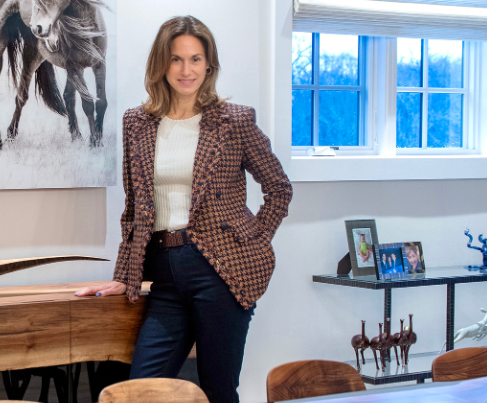
As soon as possible! Lara can come in at any point, but we’ll be the most helpful during the architectural phase for new construction or large additions/renovations. Knowing where the furniture, lighting, etc. will be going BEFORE construction starts can often prevent costly re-dos.
Whatever works best for you! If you have a contractor you love, we are happy to work with them. If you need awesome recommendations or want to compare estimates, Lara will gladly refer her amazing team!
Starting with a comprehensive walk through of your home and/or review of your plans, we gather your ideas and desires for your home. Next, designs are created with in-house drawings, renderings, and design boards. After your approvals, we facilitate costs, create a schedule, and begin ordering. Upon work commencing, we manage contractors, oversee progress, inspect and place deliveries. Finally, styling will finish your home and now it’s time to host your housewarming party!
Great! Please fill out our form on our Contact Page, the more details you share, the better! Or call our office at 914-939-5777, we look forward to hearing from you!
Anything for the interior of your home! Lara shops for, or has custom made in one of her artisan workrooms, any of the following: flooring, countertops, tile, hardware, paint, wallpaper, plumbing fixtures, lighting fixtures, bathroom fixtures, kitchen fixtures & appliances, furniture, outdoor furniture, fabrics, rugs, window treatments, pillows, bedding, artwork, mirrors, & accessories. Lara has established relationships with many trade-only manufacturers, giving her access to the most exceptional and unique items not available to the public.
Our project budget minimum is $150K (construction and décor costs). Each year we take a couple of projects that fall under this depending on location and other variables. Please fill out the form on our Contact Page with your design details to see if we’d be a good fit, we’d love to hear from you!
Yes! Lara loves to travel and meet clients wherever they reside. The same expert design processes apply for out-of-state projects to ensure a smooth and seamless experience. Although most of our clients reside in Westchester, NY and Greenwich CT, Lara has completed projects in many other locations.
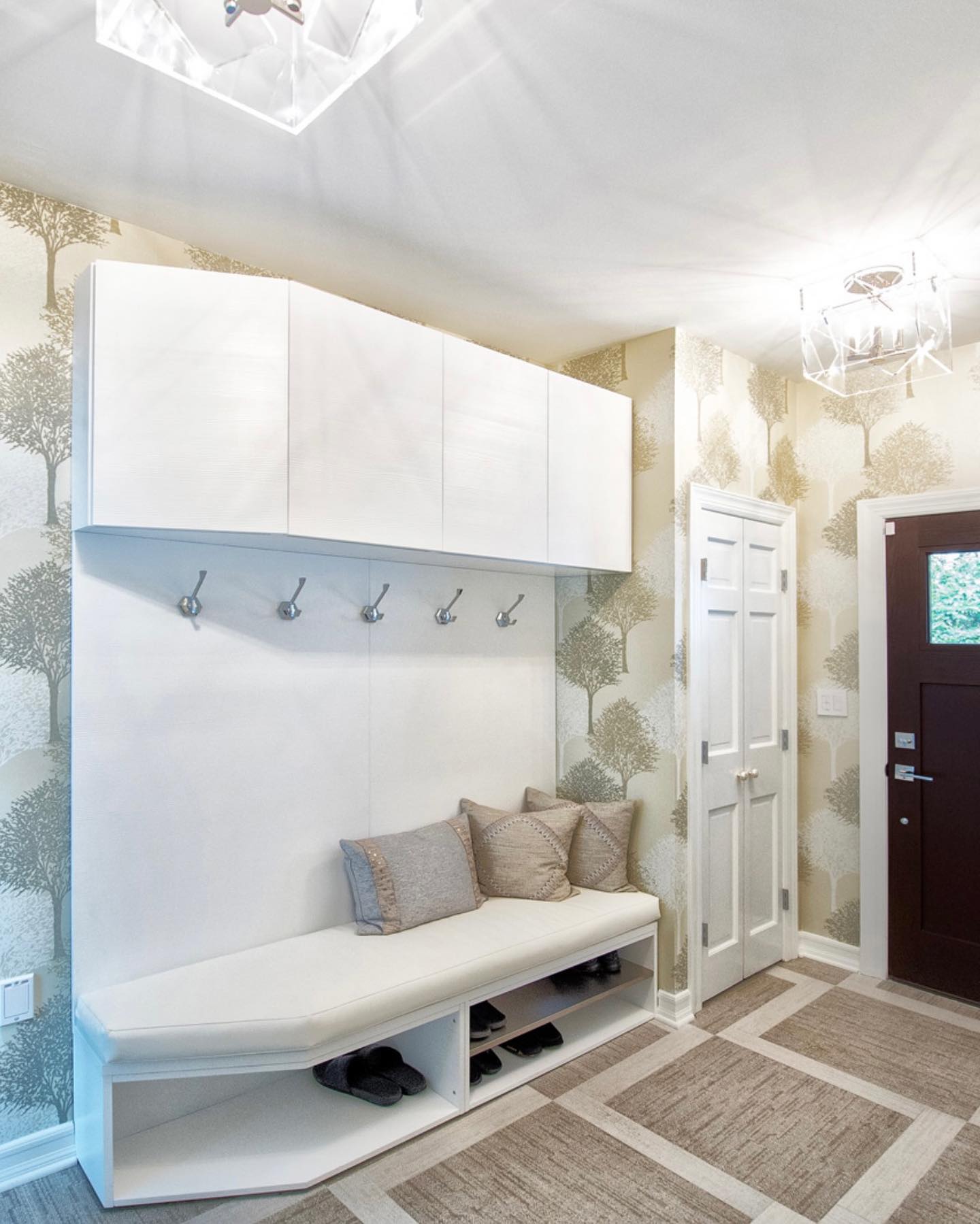
Yes! Our kitchens and most bathroom designs include Lara’s custom cabinetry. Built-ins such as bookcases, TV units, mudroom benches & cubbies, fireplace mantels, wall paneling, detailed moldings…you name it, we can do it beautifully and typically faster than any cabinetry company.
Our full-service interior design firm will take your home design project from start to finish. From creating tailored-made, innovative designs, to implementing them, to overseeing construction, then ordering, installing, and finally to styling, we do it all. We are with you every step of the way to ensure no detail is overlooked and all goes according to plan. Under Lara & her team’s watchful eye, you can relax and enjoy the process.
Absolutely! Lara purposefully limits the number of projects she takes on at a time so she can personally create and oversee each one. Forging long lasting relationships with clients is something she is proud of and why past client’s consistently call her back.