Enjoying Your New Space
After all the hard work, it's time to enjoy your newly designed space. Take the time to appreciate the transformation and the effort that went into creating it.
Maintaining the Design
Maintain your new design by keeping the space clean and organized. Regular upkeep will ensure that your space continues to look great for years to come.
Sharing Your Experience
Share your positive experience with others. Whether through word of mouth or online reviews, your feedback can help your designer gain new clients and assist others in finding the right designer for their needs.
Conclusion
Working effectively with an interior designer requires clear communication, trust, and collaboration. By understanding the role of your designer, setting a realistic budget, and establishing a shared vision, you can create a beautiful, functional space that reflects your personal style. Embrace the process, trust the expertise of your designer, and enjoy the journey to your dream home.
The Difference Between Interior Designers and Decorators: What You Need to Know
Introduction
Have you ever wondered what the difference between an interior designer and an interior decorator is? It's a common confusion, but understanding the distinction can make a big difference in your next home project. Contemporary Design Read about the best Local Interior Designer . Let's dive into the world of design and decoration to clear things up.
What is an Interior Designer?
Definition and Role
An interior designer is a professional who plans and designs the interior spaces of buildings. Their work involves creating functional and aesthetically pleasing environments.
Education and Qualifications
Interior designers typically have formal education in design, often holding a bachelor's degree in interior design or a related field. They may also be certified or licensed, depending on the region's regulations.
Scope of Work
Their work goes beyond just choosing colors and fabrics. They often work on structural changes, space planning, and ensuring that designs comply with building codes and regulations.
Skills and Expertise
Technical Knowledge
Interior designers have extensive technical knowledge. This includes understanding building structures, electrical systems, plumbing, and more. They often work closely with architects and contractors.
Design Theory
They apply principles of design theory to create cohesive and harmonious spaces. This involves a deep understanding of color theory, spatial arrangements, and user experience.
What is an Interior Decorator?
Definition and Role
An interior decorator focuses on the aesthetics and furnishing of a space. They help clients select color schemes, furniture, accessories, and other decorative elements.
Education and Qualifications
While formal education can be beneficial, it's not always required. Many decorators gain experience through practical work and personal style development.
Scope of Work
Decorators primarily work on the surface level of a space. They don't get involved in structural changes or major renovations. Instead, they focus on making spaces look beautiful and cohesive.
Skills and Expertise
Aesthetic Sense
Decorators have a keen eye for aesthetics. They understand how to combine different elements to create a visually appealing space.
Styling Techniques
They are skilled in various styling techniques, from arranging furniture to choosing the perfect accent pieces that reflect a client's personal style.
Key Differences Between Interior Designers and Decorators
Education and Training
Interior designers usually have formal education and are often certified or licensed. Decorators may not have formal training but rely on their aesthetic skills and experience.
Scope of Work
Designers work on structural changes and space planning, while decorators focus on the aesthetics and furnishing of a space.
Skills Required
Designers need technical knowledge and design theory expertise. Decorators need a strong sense of aesthetics and styling skills.
Project Involvement
Designers often work on large-scale renovations, collaborating with architects and contractors. Decorators typically handle smaller-scale projects aimed at enhancing the look of a space.
When to Hire an Interior Designer
Major Renovations
If your project involves significant renovations, structural changes, or a complete redesign, an interior designer is the professional you need.
Design ShowroomStructural Changes
Designers are equipped to handle projects that involve moving walls, altering layouts, or installing new systems.
Space Planning and Layouts
They can help you make the most of your space, ensuring functionality and flow while keeping aesthetics in mind.
When to Hire an Interior Decorator
Furnishing a New Space
If you've just moved into a new home and need help furnishing and decorating it, a decorator is the way to go.
Refreshing an Existing Space
Decorators are great for giving a fresh look to an existing space without making structural changes.
Seasonal or Event Styling
For special occasions, holidays, or seasonal updates, a decorator can help transform your space temporarily to fit the theme.
Collaborative Projects: Designers and Decorators Working Together
Benefits of Collaboration
When designers and decorators collaborate, you get the best of both worlds: functional design and beautiful aesthetics.
Examples of Successful Projects
Many successful projects involve both designers and decorators, ensuring that spaces are both practical and visually stunning.
How to Choose the Right Professional for Your Needs
Assessing Your Project Requirements
Start by understanding the scope of your project. Eco-friendly Design Do you need structural changes or just a new look?
Budget Considerations
Designers might be more expensive due to their extensive training and involvement in larger projects. Consider your budget and the scale of your project.
Personal Style and Preferences
Choose a professional whose style aligns with your vision. Look at portfolios and past projects to find a good match.
Conclusion
Understanding the difference between interior designers and decorators can help you choose the right professional for your project. Whether you need structural changes or a fresh look, knowing who to hire will make your journey smoother and your space more beautiful. Now that you know the key differences, you're ready to make an informed decision for your next home project.
Why Hiring an Interior Designer Saves You Time and Money
Introduction
Have you ever wondered if hiring an interior designer is worth it? You might think it's an unnecessary expense, but in reality, a good interior designer can save you both time and money. They bring expertise, creativity, and efficiency to the table, ensuring your space not only looks amazing but also functions perfectly for your needs.
The Role of an Interior Designer
Understanding Your Vision
An interior designer starts by understanding your vision. They take the time to get to know you, your lifestyle, and your preferences. This helps them create a design that reflects your personality and meets your needs.
Bringing Expertise and Creativity
Interior designers bring a wealth of expertise and creativity to your project. They are trained to think outside the box and come up with innovative solutions that you might not have considered.
Saving Time
Efficient Project Management
Managing a design project can be time-consuming. An interior designer takes on the role of project manager, coordinating all aspects of the project from start to finish. This includes scheduling, overseeing contractors, and ensuring everything runs smoothly.
Streamlining Decision-Making
With so many decisions to make, from choosing paint colors to selecting furniture, the process can quickly become overwhelming. An interior designer helps streamline these decisions, providing you with curated options that match your vision and budget.
Coordinating with Contractors and Vendors
Coordinating with contractors and vendors is a critical part of any design project. An interior designer has established relationships with reliable professionals and can coordinate their efforts, ensuring your project stays on track and within budget.
Saving Money
Avoiding Costly Mistakes
One of the biggest advantages of hiring an interior designer is their ability to avoid costly mistakes. They know what works and what doesn't, preventing you from making expensive errors that can set your project back.
Access to Trade Discounts
Interior designers often have access to trade discounts on furniture, materials, and accessories. These savings can add up significantly, reducing the overall cost of your project.
Smart Budgeting and Resource Allocation
An interior designer can help you budget wisely and allocate resources efficiently. They ensure you get the most value for your money by prioritizing investments that will have the biggest impact on your space.
Enhancing Home Value
Increased Property Value
A well-designed home can significantly increase its market value. Interior designers know how to make improvements that appeal to potential buyers, boosting your property's resale value.
Improved Aesthetic Appeal
A beautiful, cohesive design enhances the aesthetic appeal of your home. Interior designers create spaces that are not only functional but also visually stunning, making your home a place you're proud to show off.
Stress Reduction
Handling Logistics
Handling the logistics of a design project can be stressful. An interior designer takes care of all the details, from ordering materials to scheduling installations, allowing you to relax and enjoy the process.
Mitigating Design Anxiety
Designing your home can be an anxiety-inducing experience. An interior designer provides reassurance and guidance throughout the process, helping you make confident decisions and feel excited about the final result.
Personalized Solutions
Tailored to Your Lifestyle
Interior designers create spaces that are tailored to your lifestyle. They consider how you use each room and design accordingly, ensuring your home functions perfectly for your needs.
Unique and Functional Designs
A professional designer can create unique and functional designs that you wouldn't be able to achieve on your own.
Long-Term Satisfaction
Quality and Durability
Interior designers prioritize quality and durability, selecting materials and furnishings that will stand the test of time. This ensures your home remains beautiful and functional for years to come.
Future-Proofing Your Space
Design trends come and go, but a good interior designer knows how to future-proof your space. They create timeless designs that will look great now and in the future, avoiding the need for frequent updates.
Conclusion
In conclusion, hiring an interior designer is a smart investment that saves you time and money while enhancing the beauty and functionality of your home. Their expertise, creativity, and efficiency ensure a smooth and enjoyable design process, resulting in a space that reflects your personality and meets your needs. So, if you're considering a home makeover, don't hesitate to bring in a professional – it's worth every penny.
Understanding the Interior Design Process: From Concept to Completion
Introduction
The world of interior design is as fascinating as it is complex. From the initial spark of an idea to the final reveal, the process involves meticulous planning, creative vision, and precise execution. Whether you're considering a home makeover or a complete renovation, understanding the interior design process can make your journey smoother and more enjoyable. So, let's dive into the step-by-step journey from concept to completion.
Initial Consultation
The first step in any interior design project is the initial consultation. This is where you meet your designer, discuss your vision, and lay the groundwork for your project.
Defining Your Style
During the consultation, one of the key topics will be your style preferences. Are you drawn to modern minimalism, rustic charm, or classic elegance?
Setting a Budget
Budget is a crucial aspect of any design project.
Determining the Scope
The scope of your project will depend on various factors, including your budget, the size of the space, and your desired outcome. Defining the scope early on helps streamline the entire process.
Concept Development
Once the initial consultation is complete, the designer will move on to concept development. This phase is all about brainstorming and translating your vision into tangible ideas.
Mood Boards and Inspiration
Creating mood boards is a fun and creative way to visualize the design. These boards include images, colors, textures, and other elements that capture the essence of your desired look.
Preliminary Sketches
Sketches provide a rough outline of the design, helping you and your designer to start visualizing the layout and flow of the space.
Space Planning
Effective space planning ensures that the design is functional as well as beautiful. This involves deciding on the arrangement of furniture, fixtures, and other elements to optimize the use of space.
Design Development
With a solid concept in place, the next phase is design development. This is where the finer details start to come together.
Material Selection
Choosing the right materials is crucial for both aesthetics and functionality. Your designer will help you select materials that match your style, budget, and practical needs.
Color Schemes
Color can make or break a design.
Furniture and Fixtures
Selecting furniture and fixtures is about balancing style with practicality. This includes everything from sofas and tables to lighting and hardware.
Finalizing the Design
Before any work begins, the design needs to be finalized. This phase ensures that every detail is accounted for and approved by you.
Detailed Drawings
Detailed drawings provide a precise blueprint of the design. These drawings are essential for the contractors and other professionals who will bring the design to life.
Client Approval
Once the detailed drawings are complete, your designer will present them to you for approval. This is your chance to review the plan and make any final adjustments.
Implementation Phase
With the design finalized, it's time to move on to implementation. This phase involves turning the plans into reality.
Hiring Contractors
Finding the right contractors is crucial for the success of your project. Your designer will typically have a network of trusted professionals to recommend.
As soon as possible! Lara can come in at any point, but we’ll be the most helpful during the architectural phase for new construction or large additions/renovations. Knowing where the furniture, lighting, etc. will be going BEFORE construction starts can often prevent costly re-dos.
Whatever works best for you! If you have a contractor you love, we are happy to work with them. If you need awesome recommendations or want to compare estimates, Lara will gladly refer her amazing team!
Starting with a comprehensive walk through of your home and/or review of your plans, we gather your ideas and desires for your home. Next, designs are created with in-house drawings, renderings, and design boards. After your approvals, we facilitate costs, create a schedule, and begin ordering. Upon work commencing, we manage contractors, oversee progress, inspect and place deliveries. Finally, styling will finish your home and now it’s time to host your housewarming party!
Great! Please fill out our form on our Contact Page, the more details you share, the better! Or call our office at 914-939-5777, we look forward to hearing from you!
Anything for the interior of your home! Lara shops for, or has custom made in one of her artisan workrooms, any of the following: flooring, countertops, tile, hardware, paint, wallpaper, plumbing fixtures, lighting fixtures, bathroom fixtures, kitchen fixtures & appliances, furniture, outdoor furniture, fabrics, rugs, window treatments, pillows, bedding, artwork, mirrors, & accessories. Lara has established relationships with many trade-only manufacturers, giving her access to the most exceptional and unique items not available to the public.
Our project budget minimum is $150K (construction and décor costs). Each year we take a couple of projects that fall under this depending on location and other variables. Please fill out the form on our Contact Page with your design details to see if we’d be a good fit, we’d love to hear from you!
Yes! Lara loves to travel and meet clients wherever they reside. The same expert design processes apply for out-of-state projects to ensure a smooth and seamless experience. Although most of our clients reside in Westchester, NY and Greenwich CT, Lara has completed projects in many other locations.
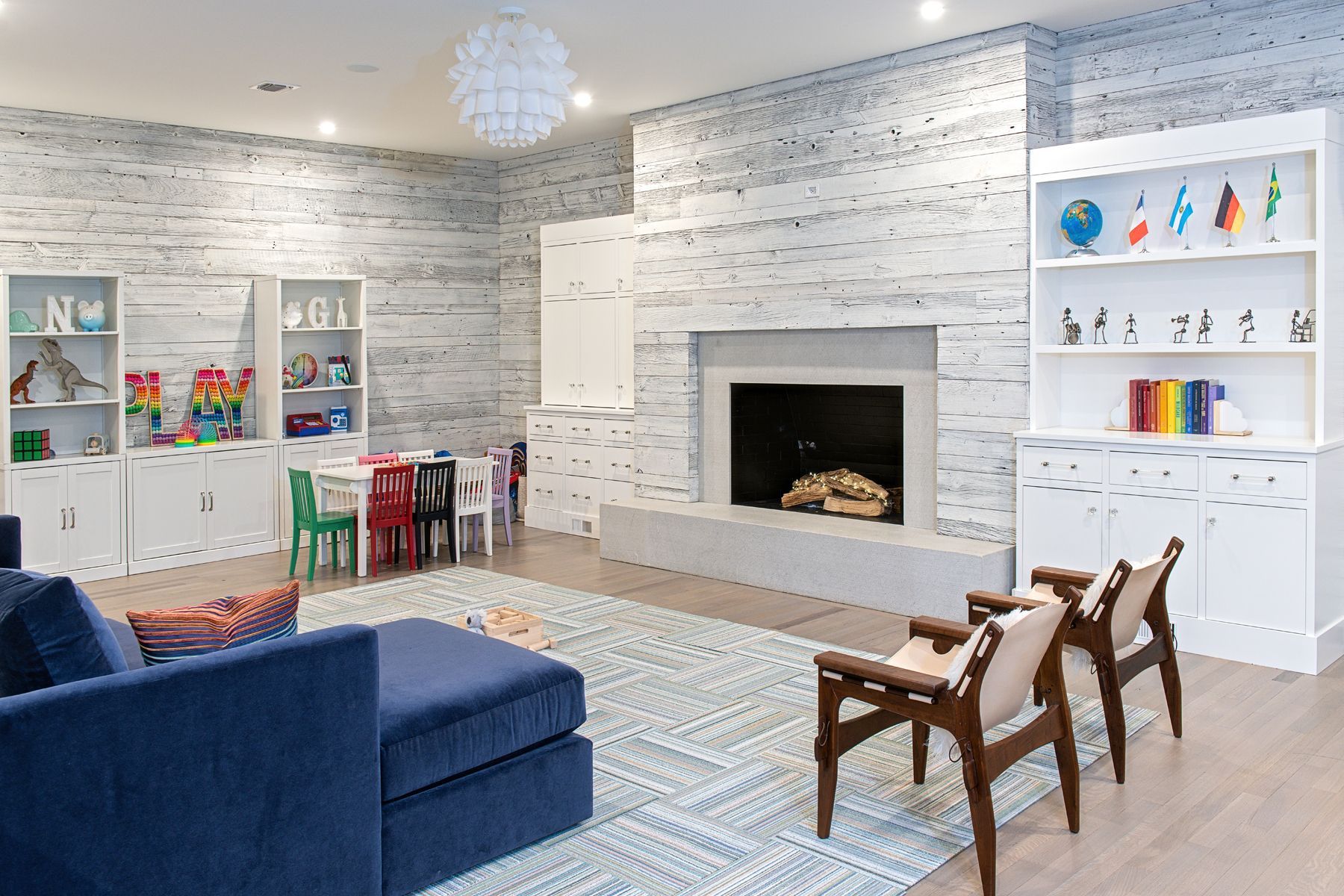
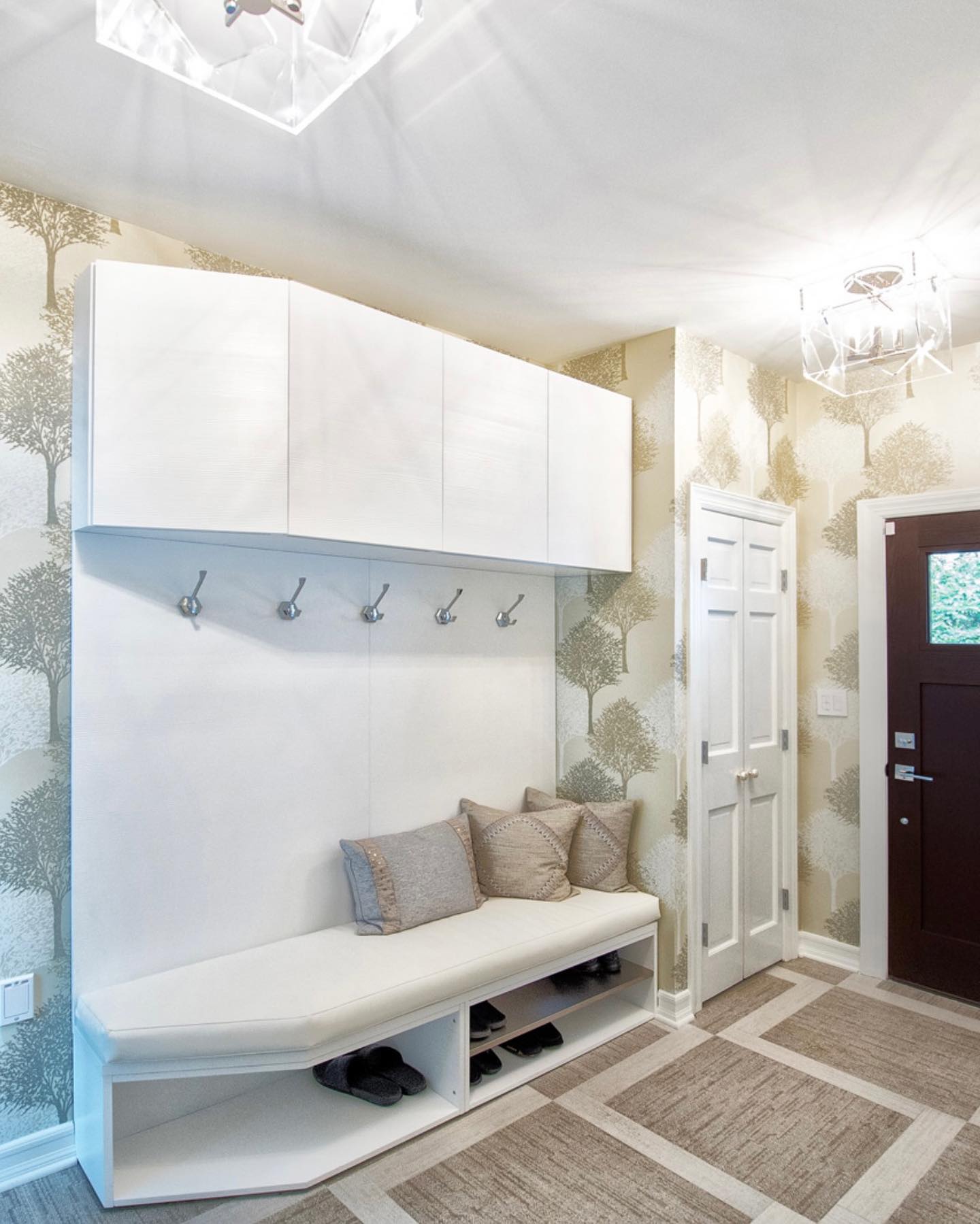
Yes! Our kitchens and most bathroom designs include Lara’s custom cabinetry. Built-ins such as bookcases, TV units, mudroom benches & cubbies, fireplace mantels, wall paneling, detailed moldings…you name it, we can do it beautifully and typically faster than any cabinetry company.
Our full-service interior design firm will take your home design project from start to finish. From creating tailored-made, innovative designs, to implementing them, to overseeing construction, then ordering, installing, and finally to styling, we do it all. We are with you every step of the way to ensure no detail is overlooked and all goes according to plan. Under Lara & her team’s watchful eye, you can relax and enjoy the process.
Absolutely! Lara purposefully limits the number of projects she takes on at a time so she can personally create and oversee each one. Forging long lasting relationships with clients is something she is proud of and why past client’s consistently call her back.