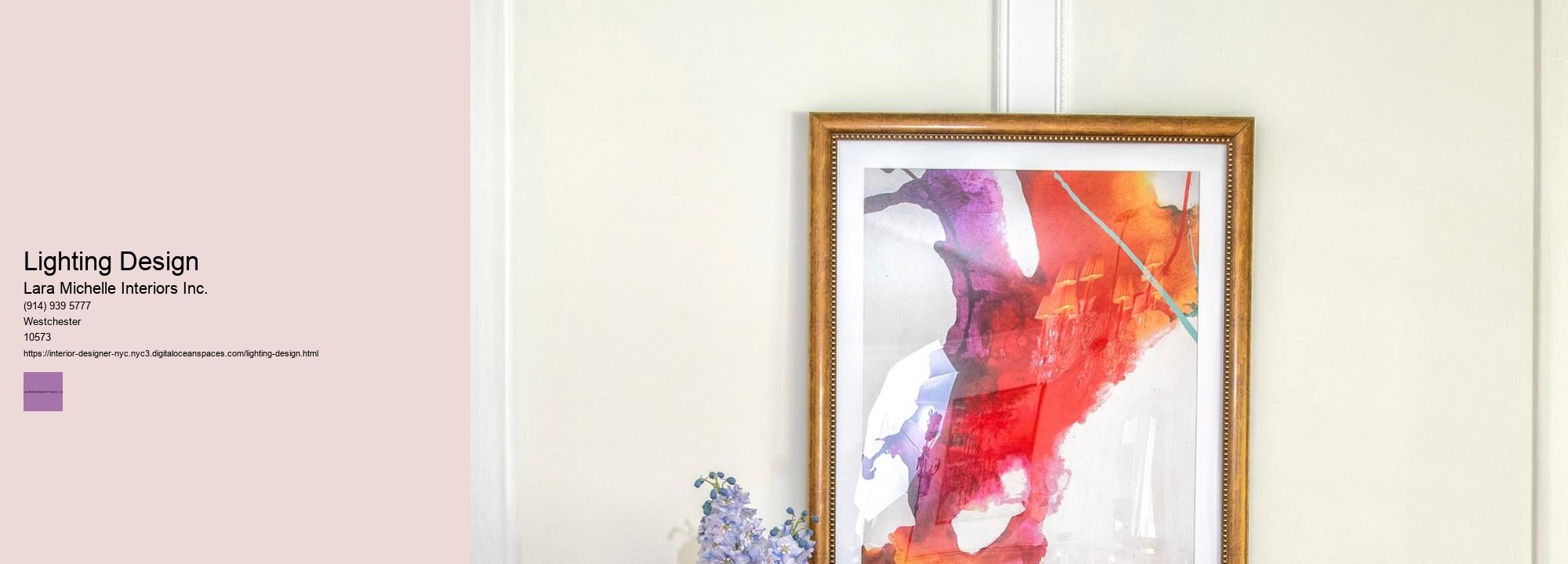
There's a growing appreciation for artisanal and handcrafted decor.
Unique Decor
Unique decor items, like handwoven baskets or custom pottery, add a personal touch to interiors. These pieces often tell a story and bring character to a space.
Custom Furniture
Custom furniture, designed to fit specific spaces and needs, is becoming more popular. It offers a perfect blend of functionality and aesthetics, tailored to the homeowner's vision.
Vintage and Retro Styles
Nostalgia plays a big role in 2024's design trends.
Mid-Century Modern Revival
Mid-century modern design, with its clean lines and functional forms, is making a comeback. Read about the best Lighting Design. Custom Cabinetry This style brings a timeless elegance to interiors, combining the best of old and new.
Antique Accents
Antique accents, like vintage mirrors or heirloom furniture, add a touch of history and sophistication. These pieces can create a striking contrast when paired with contemporary design elements.
Luxurious Textures
Luxurious textures add a touch of opulence to any space.
Velvet and Silk
Velvet and silk fabrics are being used for everything from cushions to drapes. These materials exude luxury and comfort, making them perfect for creating elegant interiors.
Plush Carpets and Rugs
Plush carpets and rugs not only add warmth but also a sense of luxury underfoot. They are an excellent way to define spaces and add texture to a room.
Monochromatic Themes
Monochromatic themes create a cohesive and sophisticated look.
Black and White Decor
Black and white decor remains a classic choice. This timeless combination can be both bold and understated, making it versatile for various design styles.
Shades of Grey
Shades of grey, from light to dark, offer a modern and sophisticated palette. This theme is perfect for creating a serene and elegant environment.
Statement Lighting
Lighting is not just functional; it's also a key design element.
Chandeliers and Pendant Lights
Chandeliers and pendant lights are being used as statement pieces. These fixtures can transform a room, adding drama and elegance.
Sculptural Light Fixtures
Sculptural light fixtures double as works of art. These unique designs can be a focal point in any room, adding both light and artistic flair.
Personalized Spaces
Personalization is key to making a house feel like a home.
Bespoke Design Elements
Bespoke design elements, such as custom-built shelves or tailored upholstery, add a personal touch to interiors. These elements reflect the homeowner's personality and preferences.
Family Heirlooms and Memorabilia
Incorporating family heirlooms and memorabilia into the decor creates a sense of history and continuity. These items add sentimental value and make a space uniquely yours.
Conclusion
As we navigate 2024, the interior design trends in New York City reflect a blend of innovation, sustainability, and personalization. Whether it's through embracing minimalism or incorporating bold color palettes, the key is to create spaces that are not only aesthetically pleasing but also functional and reflective of individual tastes. By staying ahead of these trends, you can ensure your home is both stylish and comfortable, truly embodying the vibrant spirit of NYC.
Expert Tips for a Successful Home Renovation with an Interior Designer
Introduction
Home renovation can be an exciting yet daunting endeavor. Whether you're updating a single room or revamping your entire house, the process involves countless decisions and detailed planning. One of the best ways to ensure a successful renovation is to work with an interior designer. Not only can they bring your vision to life, but they also offer expertise and resources that can save you time and money. Let's dive into some expert tips to make your home renovation project a success.
The Importance of Home Renovation
Renovating your home can significantly enhance its functionality and aesthetics. It's an opportunity to customize your living space to better suit your needs and style. Moreover, a well-executed renovation can increase your property's value, making it a worthwhile investment.
Role of an Interior Designer
An interior designer plays a crucial role in transforming your ideas into reality.
Planning Your Home Renovation
Assessing Your Needs and Goals
Before you begin, it's essential to assess what you want to achieve with your renovation. Are you looking to create more space, update outdated features, or improve energy efficiency? Clearly defining your goals will guide the entire process and help you make informed decisions.
Budgeting and Financing
Budget is a critical aspect of any renovation project. Determine how much you are willing to spend and plan your finances accordingly. It's wise to set aside a contingency fund for unexpected expenses that might arise during the renovation.
Finding the Right Interior Designer
Research and Recommendations
Start by researching potential interior designers. Look for professionals with a solid reputation and positive reviews. Ask friends, family, or colleagues for recommendations. Personal referrals can provide valuable insights into a designer's work ethic and reliability.
Checking Credentials and Portfolios
Once you have a list of potential designers, check their credentials. Ensure they have the necessary qualifications and certifications. Reviewing their portfolios will give you a sense of their style and expertise. Look for projects similar to yours to see how they handled them.
Initial Consultation
Schedule an initial consultation with a few designers. This meeting allows you to discuss your project in detail and gauge their understanding of your vision. It's also an opportunity to assess their communication skills and how comfortable you feel working with them.
Collaborating with Your Interior Designer
Establishing Clear Communication
Effective communication is key to a successful renovation. Establish a clear line of communication with your designer from the start. Regular updates and feedback sessions will ensure everyone is on the same page and can help prevent misunderstandings.
Sharing Your Vision and Preferences
Be open and honest about your vision and preferences. Share pictures, mood boards, or any inspiration you have. The more information your designer has, the better they can tailor the design to your taste.
Designing the Perfect Space
Space Planning and Layout
A well-thought-out layout is the foundation of any great design. Your interior designer will help you plan the space efficiently, considering factors like flow, functionality, and aesthetics. They'll create detailed floor plans and 3D renderings to give you a clear picture of the final outcome.
Choosing Colors and Materials
Colors and materials play a significant role in the overall look and feel of your space. Your designer will guide you in selecting a palette that reflects your style and complements your home's architecture. They'll also recommend durable and sustainable materials that fit your budget.
Selecting Furniture and Decor
Furniture and decor are the finishing touches that bring a design together. Your designer will help you choose pieces that are not only stylish but also functional and comfortable. They'll consider the scale, proportion, and harmony of each element to create a cohesive look.
Managing the Renovation Process
Setting a Realistic Timeline
Establishing a realistic timeline is crucial for keeping your project on track. Work with your designer to develop a detailed schedule that outlines each phase of the renovation. This will help you manage expectations and avoid unnecessary delays.
Dealing with Unexpected Challenges
Renovations rarely go exactly as planned. Be prepared to encounter some unexpected challenges along the way. Your designer can help you navigate these issues and come up with practical solutions to keep the project moving forward.
Regular Check-ins and Updates
Frequent check-ins with your designer and contractors are essential to monitor progress and address any concerns promptly. Regular updates ensure that any issues are resolved quickly, preventing costly delays.
Final Touches and Inspection
Final Walkthrough
Once the renovation is complete, conduct a final walkthrough with your designer. This is your chance to inspect the work and ensure everything meets your expectations. Take note of any minor adjustments or touch-ups that need to be addressed.
Making Adjustments and Corrections
No renovation is perfect, and some adjustments may be necessary. Communicate any concerns with your designer and contractor to ensure they are promptly addressed. This step is crucial for achieving the best possible outcome.
Conclusion
Reflecting on the Renovation Journey
Renovating your home is a significant undertaking, but with careful planning and the right team, it can be a rewarding experience. Take a moment to reflect on the journey, from the initial planning stages to the final touches. Appreciate the hard work and creativity that went into transforming your space.
Enjoying Your New Space
Now that your renovation is complete, it's time to enjoy your new space. Whether it's a cozy living room, a modern kitchen, or a luxurious bathroom, take pride in the transformation. Your home is not just a place to live; it's a reflection of your personality and style. So, sit back, relax, and savor the beauty of your newly renovated home.
The Benefits of Hiring a Professional Interior Designer
Introduction
When it comes to transforming your home, the sheer number of decisions can be overwhelming. From picking the perfect paint color to choosing the right furniture, the process can be daunting. Feng Shui Consultant This is where a professional interior designer comes in. Hiring an expert can make the entire experience enjoyable and stress-free. But what exactly are the benefits of hiring a professional interior designer? Let's dive in.
What Does a Professional Interior Designer Do?
Understanding Your Vision
A professional interior designer will take the time to understand your vision and preferences. They'll listen to your ideas and provide insights that align with your tastes and lifestyle.
Space Planning and Optimization
Interior designers are skilled in making the most of any space. They can rearrange layouts to improve flow and functionality, ensuring that every inch of your home is used effectively.
Sourcing Materials and Furnishings
Designers have access to a vast network of suppliers and can source unique materials and furnishings that you might not find on your own. They know where to get the best deals and how to find pieces that match your aesthetic.
Project Management
One of the most significant advantages of hiring a designer is their ability to manage your project from start to finish. They coordinate with contractors, oversee the timeline, and ensure everything is completed to your satisfaction.
The Key Benefits of Hiring a Professional Interior Designer
Expertise and Experience
Knowledge of Trends and Styles
Designers stay up-to-date with the latest trends and styles. They know what's in vogue and can recommend options that will keep your home looking modern and fresh.
Technical Skills
Interior design involves more than just picking out pretty things. Professionals have technical skills in areas like lighting, acoustics, and ergonomics, ensuring that your space is both beautiful and functional.
Time and Stress Saving
Efficient Project Management
By handling all aspects of the design process, designers save you countless hours. They take care of the details, so you don't have to worry about coordinating schedules or managing multiple vendors.
Access to Resources
Designers have connections in the industry that give them access to exclusive products and services. This network allows them to source high-quality materials and furnishings at competitive prices.
Budget Management
Cost-Effective Solutions
A professional designer can help you stick to your budget. They know how to allocate funds effectively, ensuring that you get the most value for your money.
Preventing Costly Mistakes
Mistakes can be expensive. A designer's expertise helps you avoid common pitfalls, saving you money in the long run. They anticipate issues before they arise and provide solutions that prevent costly errors.
Personalized Design
Reflecting Your Personality
Your home should reflect your personality. A designer works with you to create a space that feels uniquely yours, incorporating elements that showcase your individuality.
Custom Solutions
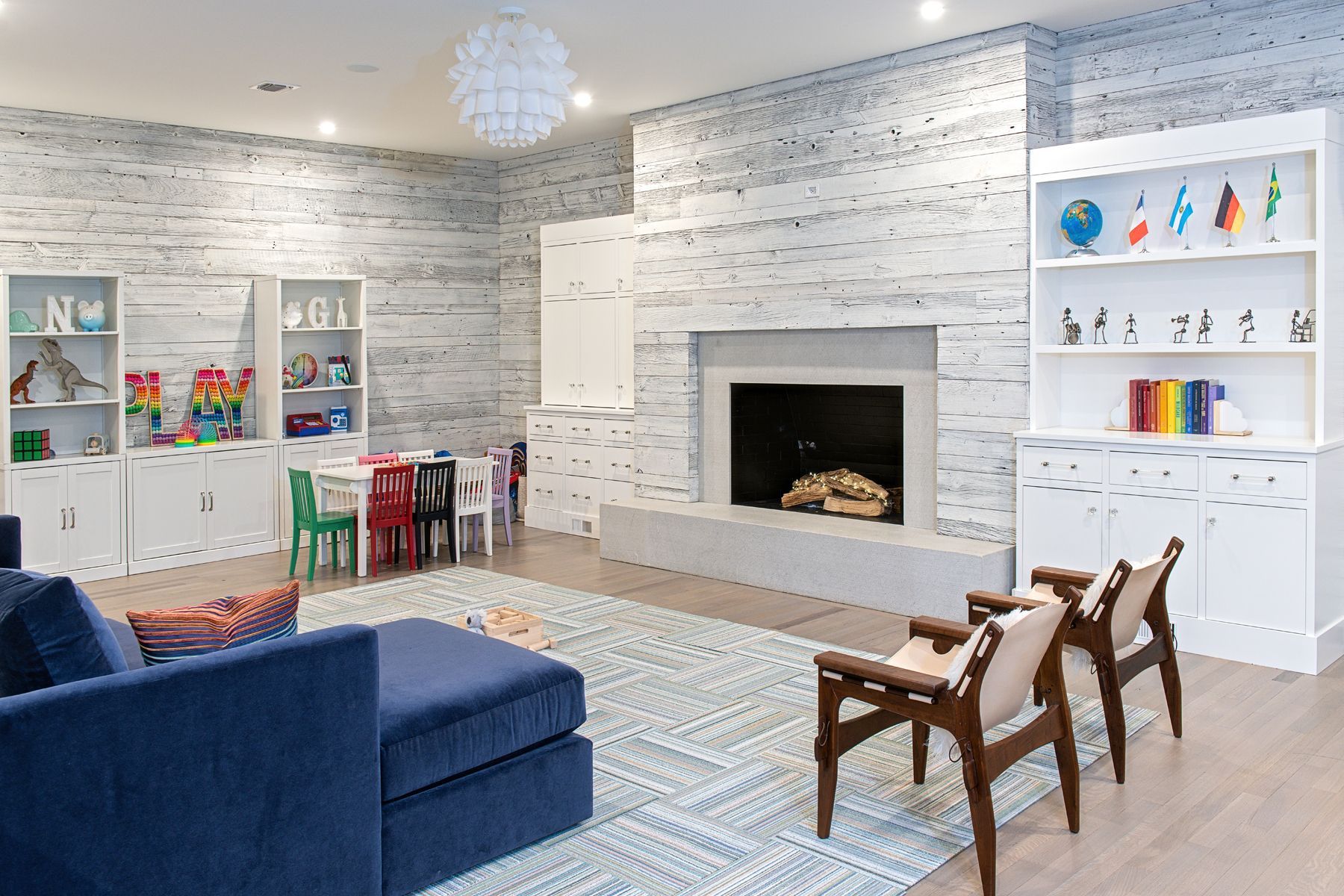
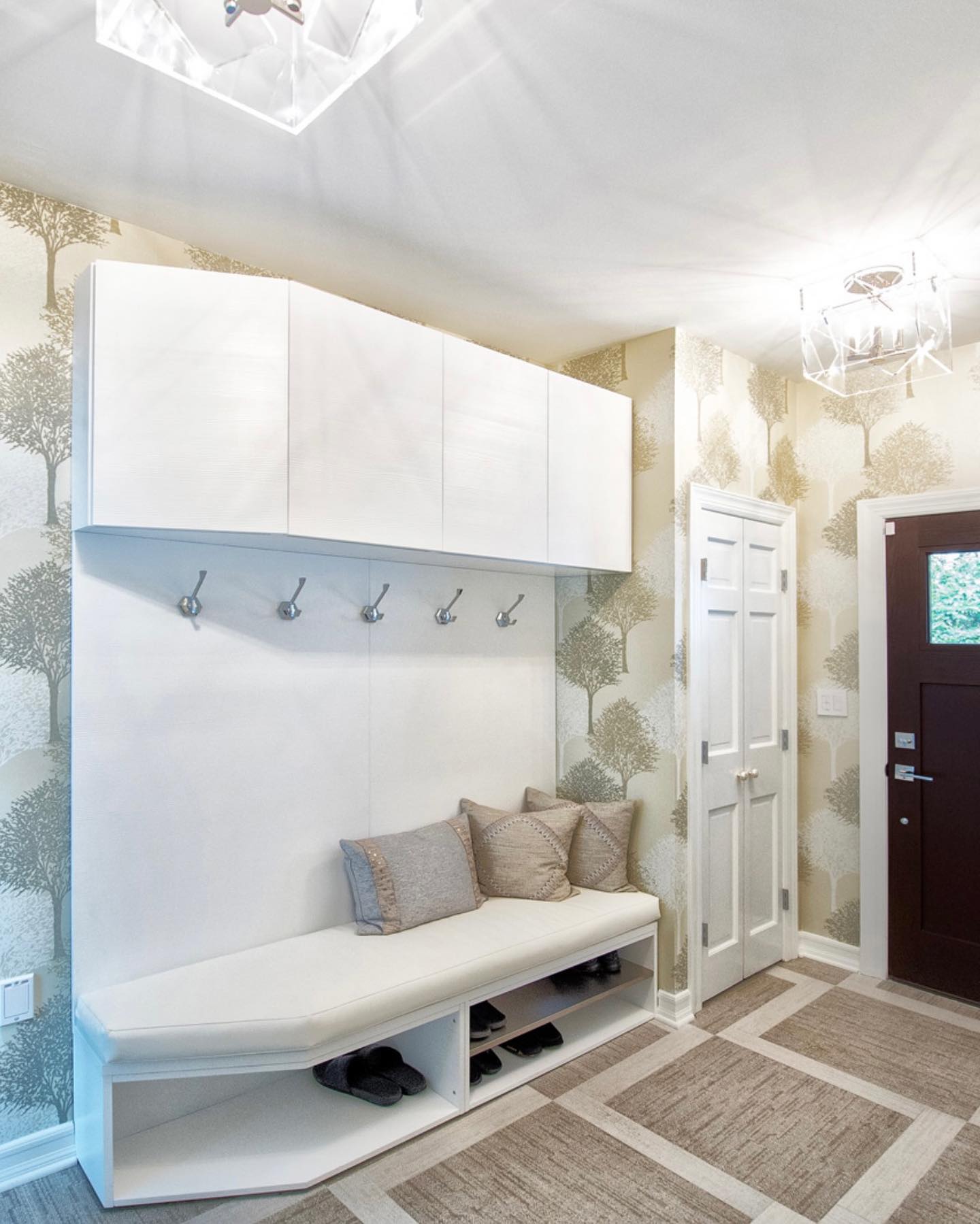
Designers provide custom solutions tailored to your specific needs. Whether it's built-in storage for a small space or a unique furniture piece, they create designs that fit your lifestyle perfectly.
Increased Property Value
Quality Improvements
Professional design can significantly enhance the quality of your home. From high-end finishes to thoughtfully planned layouts, these improvements can increase the overall value of your property.
Market Appeal
A beautifully designed home has more market appeal. If you ever decide to sell, a well-designed interior can make your property stand out to potential buyers, often leading to a quicker sale at a higher price.
How to Choose the Right Interior Designer
Assessing Credentials and Experience
Look for designers with the proper credentials and experience. Check their qualifications and ask about their previous projects to ensure they have the expertise needed for your project.
Reviewing Portfolios
Reviewing a designer's portfolio gives you a sense of their style and capabilities. Look for consistency in their work and see if their aesthetic aligns with your vision.
Setting Clear Expectations
Clear communication is crucial when working with a designer. Set expectations upfront regarding your budget, timeline, and goals to ensure a smooth and successful collaboration.
Conclusion
Hiring a professional interior designer is an investment that pays off in numerous ways. From expert guidance and resource access to time savings and increased property value, the benefits are substantial. A designer not only helps bring your vision to life but also ensures that the process is enjoyable and stress-free. So, if you're considering a home makeover, don't hesitate to reach out to a professional interior designer – it's a decision you won't regret.
How Interior Designers Can Maximize Small Spaces in NYC Apartments
Introduction
Living in New York City often means sacrificing space for the excitement and convenience of city life.
Understanding the Space
Before diving into redesigning, it's essential to understand the unique layout and dimensions of your apartment. This step involves assessing the floor plan, identifying areas that can be optimized, and considering the flow of movement within the space.
Decluttering and Organization
One of the first steps in maximizing a small space is decluttering. Clutter can make any room feel smaller and more chaotic. Start by sorting through your belongings and getting rid of items you no longer need. Effective organization is key; use storage bins, shelves, and organizers to keep everything in its place. This not only frees up space but also creates a more streamlined and pleasant environment.
Multi-Functional Furniture
In small apartments, every piece of furniture should serve more than one purpose. Multi-functional furniture is a game-changer when it comes to saving space. Think of sofa beds, extendable dining tables, and ottomans with hidden storage. These items can significantly reduce the amount of furniture needed, freeing up valuable floor space.
Utilizing Vertical Space
When floor space is limited, look up! Vertical storage solutions can make a significant difference. Install shelves, hooks, and cabinets that reach up to the ceiling. This not only provides additional storage but also draws the eye upward, giving the illusion of a larger space.
Creating Illusions of Space
Mirrors are a classic trick for making a room appear larger. Place mirrors opposite windows to reflect natural light and create a sense of depth. Additionally, strategic lighting can enhance the perception of space. Use a combination of ambient, task, and accent lighting to brighten up the room and eliminate dark corners.
Smart Storage Solutions
Built-in storage options are perfect for small apartments. Consider built-in bookcases, window seats with storage underneath, and custom closets. Hidden storage solutions, like beds with drawers or coffee tables with lift tops, can also help keep clutter out of sight while maximizing space.
Open Floor Plans
An open floor plan can make a small apartment feel more spacious. By removing unnecessary walls and barriers, you create a flow that makes the space seem larger.
Choosing the Right Color Palette
Colors play a crucial role in how we perceive space. Light, neutral colors can make a room feel more open and airy. Shades of white, beige, and soft pastels are excellent choices. If you prefer darker colors, use them as accents to add depth without overwhelming the space.
Incorporating Reflective Surfaces
Reflective surfaces like glass and metal can amplify the feeling of space. Glass coffee tables, mirrored cabinets, and metallic decor can reflect light and create a more open atmosphere. These materials also add a touch of modern elegance to your apartment.
Minimalist Design Approach
Adopting a minimalist design approach can greatly enhance a small space. Focus on simplicity and functionality, choosing furniture and decor that serve a purpose without adding unnecessary clutter. The principles of minimalist design emphasize clean lines, open spaces, and a restrained color palette.
Custom-Built Solutions
Custom-built furniture and storage solutions are tailored to fit your specific needs and the dimensions of your apartment. From built-in desks to lofted beds with underneath storage, custom designs make the most of every inch of space. Although they may require a higher initial investment, the benefits of customized solutions are well worth it.
Maximizing Natural Light
Natural light can make even the smallest space feel larger and more inviting. Keep windows unobstructed, use light and airy window treatments, and strategically place mirrors to reflect light throughout the room. If natural light is limited, consider adding skylights or light tubes where possible.
Utilizing Outdoor Space
If your apartment includes a balcony or terrace, make the most of this outdoor space. Even a small balcony can be transformed into a cozy retreat with compact furniture, potted plants, and decorative lighting. Use vertical planters and wall-mounted shelves to maximize space.
Conclusion
Maximizing a small apartment in NYC requires creativity, planning, and a bit of ingenuity. By incorporating these strategies, you can create a functional, stylish, and comfortable living space that defies its size. Remember, it's not about how much space you have, but how you use it. So, embrace the challenge and turn your small apartment into a stunning example of efficient design.
The Role of Interior Designers in Sustainable Home Design
Introduction
As soon as possible! Lara can come in at any point, but we’ll be the most helpful during the architectural phase for new construction or large additions/renovations. Knowing where the furniture, lighting, etc. will be going BEFORE construction starts can often prevent costly re-dos.
Whatever works best for you! If you have a contractor you love, we are happy to work with them. If you need awesome recommendations or want to compare estimates, Lara will gladly refer her amazing team!
Starting with a comprehensive walk through of your home and/or review of your plans, we gather your ideas and desires for your home. Next, designs are created with in-house drawings, renderings, and design boards. After your approvals, we facilitate costs, create a schedule, and begin ordering. Upon work commencing, we manage contractors, oversee progress, inspect and place deliveries. Finally, styling will finish your home and now it’s time to host your housewarming party!
Great! Please fill out our form on our Contact Page, the more details you share, the better! Or call our office at 914-939-5777, we look forward to hearing from you!
Anything for the interior of your home! Lara shops for, or has custom made in one of her artisan workrooms, any of the following: flooring, countertops, tile, hardware, paint, wallpaper, plumbing fixtures, lighting fixtures, bathroom fixtures, kitchen fixtures & appliances, furniture, outdoor furniture, fabrics, rugs, window treatments, pillows, bedding, artwork, mirrors, & accessories. Lara has established relationships with many trade-only manufacturers, giving her access to the most exceptional and unique items not available to the public.
Our project budget minimum is $150K (construction and décor costs). Each year we take a couple of projects that fall under this depending on location and other variables. Please fill out the form on our Contact Page with your design details to see if we’d be a good fit, we’d love to hear from you!
Yes! Lara loves to travel and meet clients wherever they reside. The same expert design processes apply for out-of-state projects to ensure a smooth and seamless experience. Although most of our clients reside in Westchester, NY and Greenwich CT, Lara has completed projects in many other locations.
Yes! Our kitchens and most bathroom designs include Lara’s custom cabinetry. Built-ins such as bookcases, TV units, mudroom benches & cubbies, fireplace mantels, wall paneling, detailed moldings…you name it, we can do it beautifully and typically faster than any cabinetry company.
Our full-service interior design firm will take your home design project from start to finish. From creating tailored-made, innovative designs, to implementing them, to overseeing construction, then ordering, installing, and finally to styling, we do it all. We are with you every step of the way to ensure no detail is overlooked and all goes according to plan. Under Lara & her team’s watchful eye, you can relax and enjoy the process.
Absolutely! Lara purposefully limits the number of projects she takes on at a time so she can personally create and oversee each one. Forging long lasting relationships with clients is something she is proud of and why past client’s consistently call her back.